Behind Every Indie Book Is an Author Learning to Carry It All

Writing the story is only the beginning. Behind every independently published book is an author learning a dozen crafts, making difficult choices, and finding the courage to keep growing.
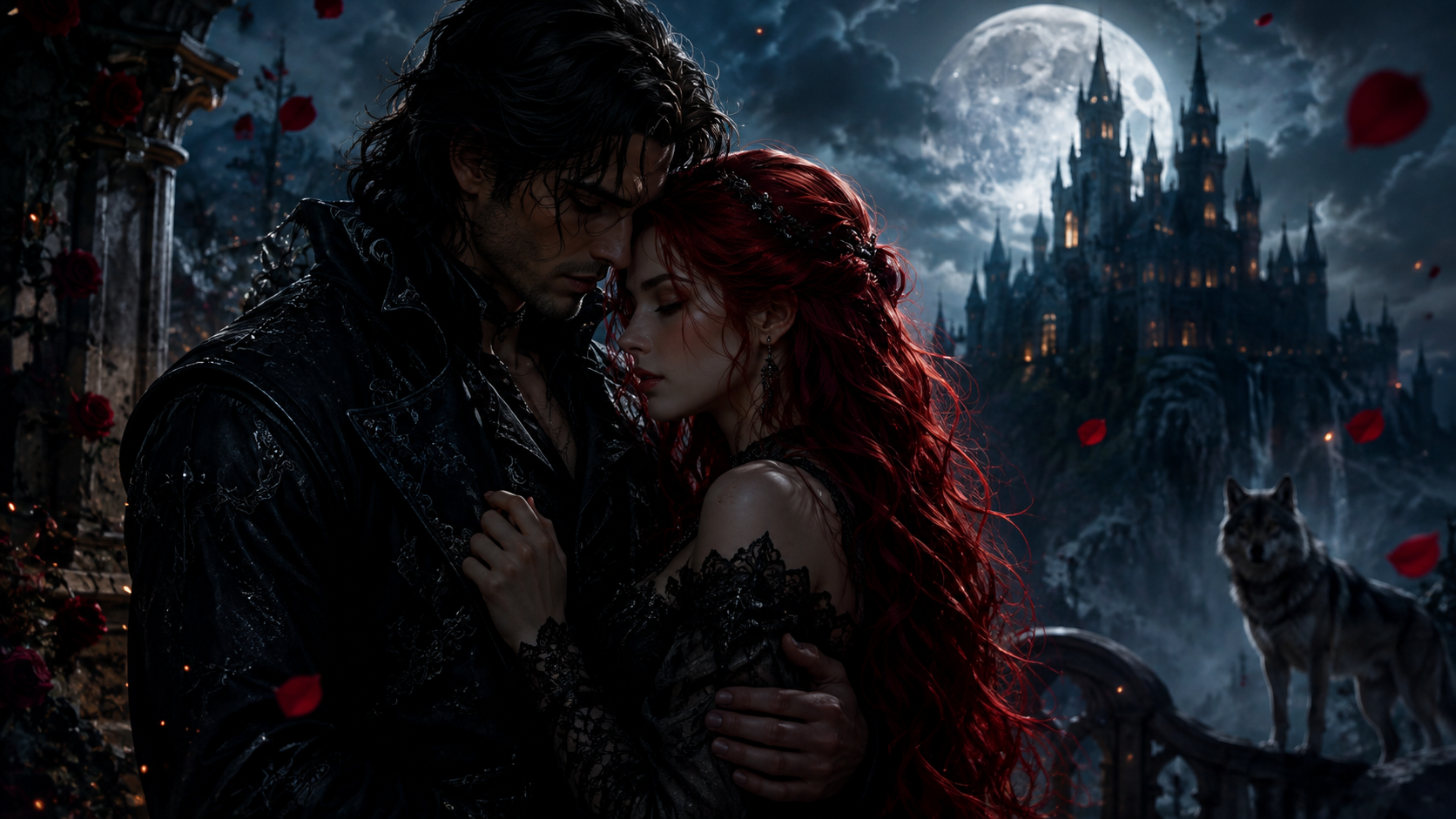
An honest look at the unseen work, hard lessons, and stubborn hope behind independent publishing


When I first dreamed of becoming an author, I imagined the stories. I pictured characters clawing their way out of darkness, dangerous worlds taking shape around them, and emotions fierce enough to follow readers long after the final page. I knew writing a book would demand patience, discipline, and a reckless amount of hope.

I had yet to understand how many other lives an independent author must live before that story ever reaches a reader.

The moment the final chapter is written, another journey begins. The author becomes the editor, formatter, publisher, marketing strategist, advertising director, website manager, newsletter writer, social media creator, and the weary soul staring at a sales dashboard while wondering whether the world even knows the book exists.

Some days, it feels less like wearing many hats and more like standing in the center of a battlefield while every hat catches fire at once.

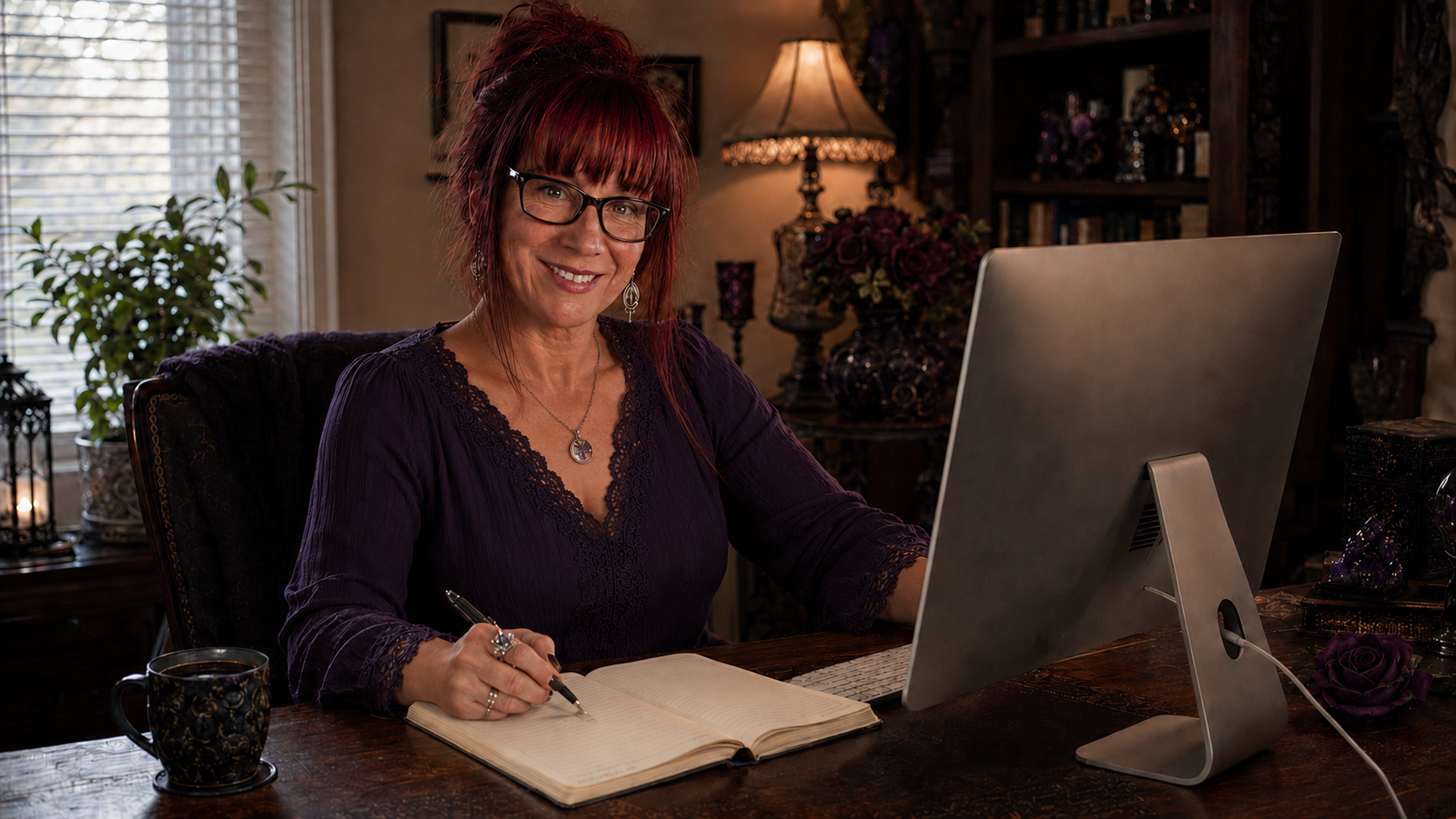
Dark fantasy romance author Zoey Frost writes in a notebook beside her iMac and coffee in a warm, gothic-inspired home office.


Writing the Book Is Only the First Battle

The story remains the heart of everything, yet protecting that heart takes more than inspiration. A novel must hold together across thousands of choices. Characters need distinct voices. The world needs rules. The romance needs tension, trust, danger, and consequence. Every promise planted early must bloom later, preferably before the author forgets where it was buried.

Then comes editing, where beloved sentences meet the blade. Repetition creeps into places the eye has grown too familiar to catch. A scene that felt powerful during the first draft may feel distant months later. A character may need sharper motives, deeper wounds, or a truth the author only discovered near the end.

That part can be humbling. Growth has a cruel little habit of teaching us to recognize weaknesses that once escaped us. Yet seeing them carries its own kind of victory. It means the craft is deepening. It means the next choice can be stronger.


Then the Author Becomes the Publisher

Finishing the manuscript opens the gates to an entirely different world. Formatting must work across devices and print editions. Covers must speak to the right readers before a single word of the story has a chance. Descriptions need enough emotion and intrigue to earn a click. Categories, keywords, pricing, distribution, and metadata wait behind the curtain, each one capable of helping a book find its audience or burying it beneath thousands of others.

Most indie authors learn these skills while actively using them. There is rarely a grand apprenticeship or a patient master standing nearby with every answer. We study, test, adjust, and occasionally discover that the lesson arrived five minutes after we needed it.

Trial and error sounds harmless until the trial holds months of work and the error costs money you fought hard to earn. Even then, we learn. We rebuild. We return to the page because the story still matters.


Finding Readers in a Crowded World

Millions of books already exist, and more arrive every day. Familiar creatures, ancient curses, dangerous courts, fated bonds, betrayals, and forbidden love have walked across countless pages. The challenge is deeper than inventing a tale untouched by every story that came before it. Stories have always shared bones.

The author’s task is to breathe a singular life into those bones. That life comes from the wounds carried by the characters, the choices they make when every path demands a sacrifice, the love that changes them, and the voice that belongs to one storyteller alone.

Finding the readers who hunger for that voice creates another challenge. Social platforms change their rules. Advertising costs rise. A post built with care may drift past nearly unseen, while another reaches strangers for reasons no one can fully explain. Authors learn video, graphics, captions, newsletters, promotions, landing pages, and advertising campaigns, all while trying to preserve enough creative strength to write the next book.

Reaching a reader is hard. Keeping that reader requires trust. Earning their loyalty takes time, consistency, and stories strong enough to make them return.


Every Book Preserves the Author Who Wrote It

One of the strangest truths about writing is that every finished book becomes a record of who the author was at that moment. It holds the skill we had, the lessons we had learned, and the blind spots waiting beyond our sight.

Later, we may look back and see places we would now handle differently. That realization can wound the pride. It can also prove how far we have traveled.

My own writing has continued to change. The characters feel more rooted in their worlds. Their choices carry greater weight. The emotions move more naturally, and the story feels less arranged around them and more alive within them. None of that growth appeared by magic. It came from writing, listening, studying, revising, and facing the parts of the process that were easier to avoid.

Perfection grows across many drafts. Craft is a living thing. It sharpens with every chapter, every difficult lesson, and every moment an author chooses courage over retreat.


Why We Keep Going

There are days when independent publishing feels glorious. A reader sends a message about a character who reached them. A review captures the exact emotion the story was meant to awaken. A scene finally lands with all the force it carried inside the author’s mind.

Other days are quieter and far crueler. Sales falter. An advertisement fails. A book struggles to find its place. Doubt settles close and whispers that effort should have guaranteed a different outcome.

Effort offers no such bargain. It offers growth, endurance, and another chance to create something stronger.

So we continue. We learn the new platform. We repair the weak chapter. We design another image, rewrite another description, reach toward another reader, and open the manuscript once more. Somewhere beyond the numbers is a person searching for the exact kind of story we ache to tell.

That possibility is enough to light the next candle.


The Story Still Comes First

Independent authors carry an extraordinary amount of unseen labor, and that work carries meaning far beyond the writer’s desk. Every skill learned gives the story another chance to survive. Every mistake becomes knowledge. Every hard season leaves behind a sharper instinct and a stronger voice.

I am still learning. I hope I always will be. The day the craft stops challenging me is the day the wonder begins to fade.

For now, I will keep building worlds from ancient magic, fractured loyalties, dangerous love, and the stubborn hearts that refuse to surrender. I will keep listening. I will keep growing. Most of all, I will keep writing.

Because behind every indie book is an author carrying far more than a story. And somehow, against the weight of it all, we place that story into the world anyway.

Read More

Cursed Bonds: Why Dark Romance Makes Fate Feel Dangerous

Tenderness in dark paranormal romance hits harder because it has to survive danger, fear, curses, monsters, and the kind of love that costs more than either heart expects.

There is something irresistible about a bond that feels ancient before the lovers ever touch.

A pull in the blood.

A thread beneath the skin.

A whisper from the dark that says, this one.

But in dark paranormal romance, fate should never feel simple.

It should feel dangerous.

A cursed bond is more than attraction. More than a glance across a crowded hall or a spark between two souls that fit too neatly together. It is hunger with consequence. Magic with teeth. A connection that can save, ruin, awaken, or destroy depending on who dares to answer it.

That is why readers love it.

Because a cursed bond does not ask, Do you want this?

It asks, What will this cost you?


Fate Should Feel Like a Blade

In lighter romance, fate can feel soft.

In dark romance, fate arrives with a blade hidden under its cloak.

That is what makes it thrilling.

A bond may promise recognition, but it may also bring danger. It may pull two people together because their souls remember each other, or because some older power has chosen them for a purpose neither of them understands.

That uncertainty is where the tension lives.

Is the bond a gift?

A curse?

A weapon?

A trap?

The best cursed bonds keep readers leaning closer because love and danger become tangled. Every touch matters. Every refusal has weight. Every surrender could open a door that should have stayed sealed.

A cursed bond gives the romance a pulse that feels older than the characters themselves.

And sometimes, older things are hungry.


Desire With Consequence

Dark romance readers do not crave desire that floats harmlessly through the story.

They want desire that changes things.

A cursed bond does that beautifully.

It turns longing into risk.

One kiss may awaken magic.

One touch may reveal a secret.

One choice may bind two people closer than either of them meant to be bound.

That kind of romance has weight. The lovers cannot simply want each other and walk away untouched. Their desire carries consequence. It may expose them. Mark them. Endanger them. Force them to face truths they have spent years burying.

That is why cursed bonds burn so hot.

They make love feel alive.

Wild.

Unforgiving.

Powerful enough to shake the ground beneath the characters’ feet.


The Bond Is Only Powerful If Choice Still Matters

A cursed bond loses its strength when it steals too much choice.

The best bonds do not erase free will.

They test it.

That is the difference between a romance that feels forced and one that feels unforgettable.

A bond may pull two characters together. It may whisper through blood, magic, dreams, or instinct. It may make denial ache. It may make distance feel like a wound.

But the choice still has to matter.

The characters must choose what to do with the bond.

Do they trust it?

Fight it?

Bend it?

Break it?

Claim it on their own terms?

That is where the true romance lives.

Not in fate alone.

In the moment two people stand before something powerful enough to command them and decide their love will be chosen, not owned.


Why Cursed Bonds Hurt So Good

A cursed bond is powerful because it gives the romance both intimacy and threat.

The lovers are connected in a way neither fully controls.

They may feel each other’s pain.

Hear each other through dreams.

Sense danger before it strikes.

Carry marks, magic, or wounds that tie them together.

That closeness can be beautiful.

It can also be terrifying.

Because being known that deeply means every hidden scar is closer to the surface. Every fear has fewer places to hide. Every lie has sharper edges.

A cursed bond strips away distance.

It leaves the characters exposed.

And in dark paranormal romance, being seen can feel more dangerous than being hunted.

That is why readers turn the page.

They want to know what happens when someone sees every shadow and reaches anyway.


Love or Leash

One of the most dangerous questions in dark paranormal romance is whether a bond is love or leash.

A bond can protect.

It can guide.

It can awaken.

But in the wrong hands, it can also become control.

That tension matters.

A heroine with magic in her blood should never have to surrender herself because fate demands it. A wolf with violence in his bones should never mistake instinct for ownership. A demon-touched soul should never be forced to become someone else’s weapon simply because an ancient power decided the shape of their life.

That is where cursed bonds become truly fascinating.

They force the characters to ask hard questions.

Who benefits from this bond?

Who suffers because of it?

Who named it destiny?

And who has the strength to name it something else?


Inside the Vale

In the Vale, bonds are never simple.

Magic remembers.

The land listens.

Wolves carry loyalty in blood and bone.

Witches carry power that always asks for payment.

Demons understand how easily desire can become a chain.

So when a bond forms, it is never only romance.

It is history waking up.

It is old magic opening one eye.

It is the world leaning closer to see whether love will become a weakness, a weapon, or something far more dangerous.

The Vale does not offer gentle paths.

It tests every vow.

It sharpens every desire.

It asks whether love can survive when fate itself reaches for the blade.

And sometimes, the strongest answer is not obedience.

Sometimes the strongest answer is choice.


Why Readers Keep Reaching for Cursed Bonds

Readers love cursed bonds because they make romance feel mythic.

The love story becomes larger than two people.

It becomes bloodline.

Magic.

Survival.

Sacrifice.

Defiance.

A cursed bond gives readers the thrill of fate with the ache of uncertainty. It lets us believe in a connection so deep it can cross fear, pain, power, and darkness, while still demanding something fierce from the lovers who carry it.

Because the best kind of bond is not the one that traps.

It is the one that reveals.

It shows who the characters are when desire becomes dangerous.

It shows what they will risk.

What they will refuse.

What they will protect.

And what they will become when the world says fate has already decided.

That is why cursed bonds belong in dark paranormal romance.

Because love should never feel like a pretty thread tied around two hearts.

It should feel like magic drawn through blood.

A vow made beneath teeth and shadow.

A choice powerful enough to make destiny kneel.


Enter the Vale, where cursed bonds bleed, magic demands its price,

and love is strongest when it is chosen in the dark.

Read More

Step Into the Vale: A Cinematic Glimpse of Thorns of Ash

Behind me, someone laughs.

Deep. Low. Rough around the edges and hungry.

The kind of laugh that says, try to run. I like a chase.

I risk one glance over my shoulder.

Scarred jaw. Wild golden eyes. A grin sharp enough to ruin a woman’s better judgment.

Darian Ashclaw.

Every story I have ever heard about him comes roaring back at once.

Exile. Enforcer. Killer. Trouble with teeth.

The kind that leaves bodies cooling in alleys and walks away like the night owes him thanks.

I duck into a narrow side alley where the magic hums meaner. A cluster of thieves, kids barely grown, eyes wolf-bright, eye me like fresh meat.

I bare my teeth, flash a blade, and snarl, “Not tonight.”

They scatter.

Smart.

Some scenes demand more than words.

Thorns of Ash begins in a world where forbidden magic has teeth, the Vale is already watching, and danger does not wait politely at the door.

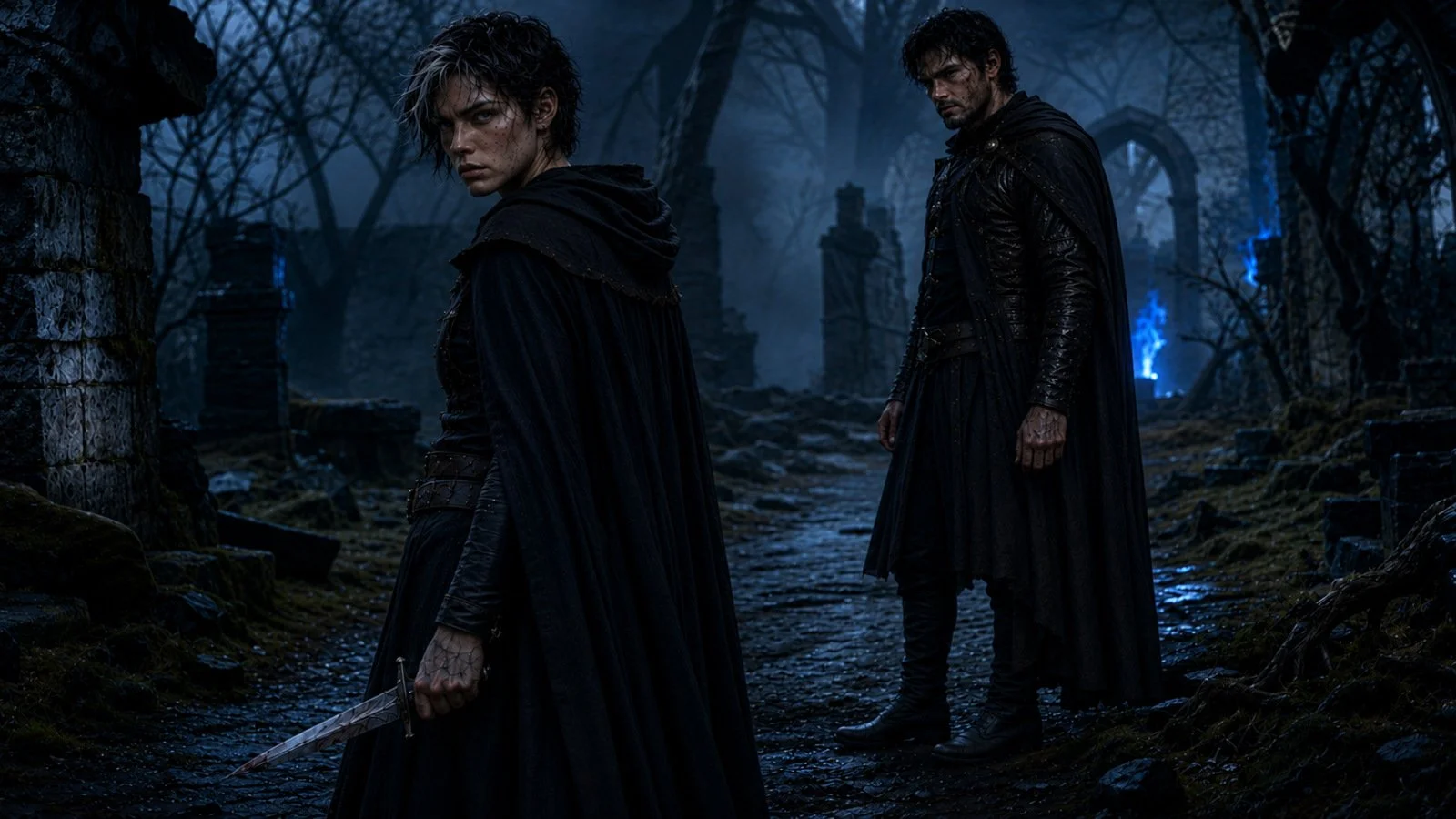
This cinematic glimpse brings the opening darkness of the story to life, with a flash of the moment Azara’s path begins to twist toward Darian Ashclaw, the one man dangerous enough to catch her and reckless enough to enjoy the chase.

A glimpse into Thorns of Ash, Book One in The Vale Series. Forbidden magic wakes. Old shadows stir. And somewhere in the dark, Darian Ashclaw has begun to hunt.

 
Read More

Fate May Forge the Bond, but Choice Makes It Worth Fighting For

Fate may pull two souls together, but the choice to stay gives the bond its power. Let us step into the danger, sacrifice, and fierce devotion that make fated love unforgettable.

Fated bonds carry a delicious kind of threat.

Two souls are marked before either has the sense to run. A wolf recognizes his mate. A curse winds itself around two lives. The land places a witch beside the warrior she distrusts and waits to see which of them reaches for a blade first.

I love the promise in that. Destiny has arrived, and it clearly lacks manners.

Yet fate only lights the path. Choice decides who dares to walk it.

A bond can awaken hunger, sharpen instinct, and make distance feel unbearable. Love asks for more. It asks a wounded person to lower one guard at a time. It asks someone powerful to prove devotion without turning it into possession. It asks both of them to face the price with clear eyes and remain.

That is where the story bares its blade.


Ancient magic has dreadful manners

Two battle-worn hands meeting above an ancient silver sigil carved into weathered rock.

In dark fantasy romance, destiny rarely arrives bearing roses. It claws its way out of old bargains, wakes buried power, and demands trust before anyone has earned it. Its timing is atrocious. The heroine may be fighting to reclaim her freedom. The hero may be carrying a curse, a crown, or a beast that has already cost him too much. Naturally, fate decides this is the perfect hour to bind them.

Rude.

The bond offers intimacy before safety. Each character feels a truth they are hardly ready to name, and that truth presses against every scar they carry.

A fierce heroine deserves strong reasons to resist. Perhaps devotion once became a chain around her throat. A ruler may have used affection as a weapon. She will test every promise. She will ask who benefits from the bond and what it intends to take. Should an ancient prophecy grow offended by her questions, it may join the queue.

A prophecy may name a man hers. She still decides whether he has earned the right to stand beside her.

The same trial belongs to him. Instinct can command protection. Love requires respect for her strength, even when every ruthless part of him wants to tear the danger apart himself. His greatest proof may come when he trusts her to choose her own battle.


Choice makes devotion dangerous

The bond should complicate the choice, never replace it.

Fate can drag enemies onto the same battlefield. It can make them feel one another's pain and expose desire sharpened by anger. Trust must still be built in ruined halls, whispered confessions, and decisions made when betrayal would be easier.

The moment that owns me arrives when they understand exactly who stands before them. They see every wound, every sin, and every dangerous hunger. The truth waits between them, stripped of excuses. Then one reaches forward.

She may return when escape lies within reach. He may lay down a crown that once defined him. Together, they may turn against a court, a pack, or an ancient power that expects obedience. Whatever shape it takes, the choice must cost them.

I want love with consequence.

Devotion becomes powerful when it demands courage, sacrifice, or the surrender of an old certainty. A character who follows prophecy can be compelling. One who defies a king, a court, a pack, or a god for the person they have freely chosen becomes unforgettable.

That decision gives the bond meaning. Ancient magic may have brought them together. Their actions make the connection sacred.


Why I return to this theme

Inside the Vale, power and choice are always circling one another. Witches inherit gifts carrying a price. Shifters wrestle instinct and vow. Demons understand bargains far too well. The land remembers promises long after the people who made them have fallen.

Ancient powers also love to declare who belongs to whom. My characters tend to answer such declarations with claws, curses, and a remarkable lack of courtesy.

At heart, these stories ask whether destiny can shape a life without owning it. I believe the most satisfying answer is yes. Fate can open the door. Love is the act of crossing the threshold together.

That is why fated bonds keep pulling me back. They offer the thrill of inevitability and the terror of surrender, yet their deepest power rests in a decision. Two people see the danger, count the wounds, and choose each other anyway.

When a bond snaps into place on the page, I want the pull, the ache, and ancient magic growling at the edges. Then I want the harder scene. I want them standing amid everything they could lose, looking at each other with the truth laid bare, and choosing the bond because it has become theirs.

Fate may forge it. Choice makes it worth fighting for.

Which steals your heart more, the first pull of a fated bond or the choice made when everything is at stake? Tell me in the comments.

Read More

Morally Grey Monsters: Why Dark Romance Readers Love the Ones Who Should Terrify Us

Morally grey monsters make dark paranormal romance unforgettable because they carry danger, desire, power, restraint, and the terrifying choice to become something more than what the world named them.

There is a reason dark romance readers keep reaching for the monster.

He walks into the story with danger clinging to him like smoke. He carries power in his hands, secrets behind his eyes, and the kind of past that makes every warning about him feel earned.

The world calls him cruel.

The court calls him useful.

The enemy calls him a weapon.

And somewhere beneath all that blood, restraint, hunger, and shadow, the heroine sees the part of him everyone else decided was already lost.

That is where the pull begins.

A morally grey monster does not ask to be trusted. He has done too much for that. He has made choices that left scars. He has survived in ways that required sharp teeth, sharper instincts, and a willingness to become terrifying when the world demanded it.

But the best dark romance does something more interesting than asking readers to excuse him.

It asks what happens when someone dangerous is given a reason to choose differently.


The Monster Is Powerful Because He Could Fall

A monster who is harmless carries little tension.

The ones who haunt readers are dangerous because the threat is real. He could cross the line. He could choose vengeance over mercy. He could let old wounds turn into cruelty. He could become exactly what everyone fears.

That possibility makes every moment matter.

When he holds back, readers feel the cost of it.

When he lowers the blade, it means something.

When he chooses tenderness with hands built for violence, the romance burns hotter because restraint has become its own kind of war.

The morally grey monster works because he stands near the edge. He understands darkness because he has lived inside it. He knows the taste of blood, power, rage, and survival. His goodness, if he still has any, has been dragged through ruin and forced to prove it can survive there.

That makes his choices sharper.

And in dark romance, choice is everything.


He Is More Than the Name They Gave Him

One of the strongest parts of a morally grey romance is the name the world gives the monster.

Beast.

Wolf.

Demon.

Traitor.

Killer.

Enemy.

Weapon.

Those names carry weight. They follow him into every room. They shape how others speak to him, fear him, use him, and judge him.

But dark romance loves the space beneath the name.

The heroine sees what others miss. She sees the pause before violence. The wound hidden beneath command. The loyalty buried under rage. The grief sharpened into armor. She sees the difference between a man who enjoys cruelty and one who learned brutality because mercy kept getting people killed.

That difference matters.

It does not wash away what he has done. It does not polish him into something clean. It reveals the truth that monsters are often made long before they choose what to become.

And sometimes the most dangerous thing anyone can do is see him clearly.

Restraint Is the True Seduction

Power may catch the eye, but restraint keeps the reader hooked.

A morally grey monster may be able to tear through enemies, command rooms, break laws, shatter curses, or burn whole kingdoms to ash. Yet the moment that lingers is often much smaller.

A hand stopping before it grips too hard.

A command swallowed before it becomes control.

A blade lowered because she asked him to wait.

A violent instinct chained by his own will because he refuses to become another threat in her life.

That is where the romance breathes.

Readers love a dangerous man who can protect, but they remember the one who chooses restraint when every brutal part of him is begging for release. That choice tells us more than any vow could.

It says he knows what he is capable of.

It says he understands the line.

It says love has reached something in him that power never could.


Love Does Not Make Him Safe

The strongest morally grey romance does not turn the monster harmless.

It gives him a choice.

He may still be dangerous. He may still carry old blood on his hands. He may still know exactly how to destroy the people who threaten what he loves. The difference is that love gives his violence a boundary, his loyalty a purpose, and his hunger something deeper than conquest.

That is why readers crave this kind of character.

The monster does not become soft in a way that erases him. He becomes intentional. Focused. Devoted. Terrifying to the right people and careful with the one person who has seen the ruin beneath his armor.

That balance is addictive.

Too clean, and he loses the edge.

Too cruel, and the romance turns hollow.

But when he is dangerous enough to frighten the world and disciplined enough to protect her freedom, he becomes unforgettable.


The Heroine Must Still Have Power

A morally grey monster only works when the heroine has power of her own.

She cannot exist only to forgive him, tame him, or heal him. That makes the story smaller than it should be.

She needs teeth too.

Her strength may come through magic, wit, defiance, survival, rage, loyalty, or the simple refusal to be owned by anyone’s darkness. She should challenge him. Question him. Make him face the cost of his choices. Stand close enough to see the monster and fierce enough to keep her own soul intact.

That is what makes the romance burn.

Two dangerous people seeing each other clearly.

Two wounded souls refusing easy lies.

A love that does not pretend darkness is beautiful, but dares to ask whether something sacred can still grow inside it.


Inside the Vale

In the Vale, monsters are rarely simple.

Wolves carry loyalty sharp enough to wound.

Witches carry power that asks for payment.

Demons smile with hunger hidden behind elegance.

Courts turn people into weapons, then punish them for being sharp.

In a world like that, morality is never clean. Survival leaves marks. Love carries consequence. Power always asks what someone is willing to become in order to keep it.

That is why morally grey monsters belong in the Vale.

They fit the old forests, the blood-deep bonds, the dangerous courts, and the ancient magic that watches every choice. They are the men and creatures shaped by ruin, duty, violence, and desire, yet still standing at the edge of a different choice.

The Vale does not make goodness easy.

It makes it costly.

And costly goodness is the kind readers remember.


Why Readers Keep Choosing the Monster

Readers love morally grey monsters because they are built from tension.

Danger and tenderness.

Violence and restraint.

Power and vulnerability.

Sin and sacrifice.

They make romance feel alive because every choice carries weight. Every soft moment has teeth behind it. Every vow matters because breaking it would be easier.

The monster should terrify us.

That is part of the thrill.

But the reason he stays with us is deeper than danger. He becomes unforgettable when he looks at the worst parts of himself, sees exactly what he could become, and chooses something else.

Not purity.

Not perfection.

Choice.

Restraint.

Devotion with blood still drying on its hands.

That is the heart of the morally grey monster in dark paranormal romance.

He is loved because he is dangerous.

He is remembered because he chooses what to do with that danger.


Enter the Vale, where monsters carry old blood, witches bargain with power, wolves love with teeth, and every dangerous heart must choose what it becomes.

Read More

What Happened to Elunara’s Parents? The Fire, the Wolf, and the Wound Before Ashen Moon

A reader asked what happened to Elunara’s parents, Ivy and Marcus, and the answer reaches deep into the wound before Ashen Moon. Before Elunara became the woman who walks through fire and prophecy, she was a daughter shaped by a mother who burned through fate and a father who held the line.

A reader recently asked me what happened to Elunara’s parents, Ivy and Marcus, and honestly, I loved the question.

Because Elunara does not rise from nowhere.

Before she becomes the woman readers meet in Ashen Moon, before the dreams, before the fire, before the weight of prophecy settles across her shoulders like a crown made of teeth and old magic, she is someone’s daughter. She is Ivy’s child. Marcus’s child. A girl shaped by love, fear, bloodline, and every choice made before she ever had the strength to make her own.

And that matters.

In Ashen Moon, Elunara stands in a harder place. She has grown beyond the guarded child everyone tried to shield. She carries her own power, her own choices, and her own danger. By the time her story begins, she has already learned that love can protect, but it cannot walk every path for her.

That is one of the quiet wounds beneath her story.

Fantasy blog image for What Happened to Elunara’s Parents featuring Ivy, Elunara, Marcus, fire, wolves, and the Ashen Moon.

Her parents did not vanish from her life because they stopped mattering. They matter so deeply that their love helped shape the fire she carries into every choice.


Ivy, the Mother Who Would Burn Through the Veil

Ivy’s story is not soft.

She is not the kind of mother who watches fate approach and folds her hands in silence. Ivy is fire, defiance, terror, love, and fury wrapped in one woman who has spent too much of her life being told what power should make of her.

When Elunara is young, the world looks at her and sees a prophecy. A vessel. A danger. A thing to bind before she becomes too much.

Ivy looks at her and sees her daughter.

That difference matters.

Ivy knows what it means to have others fear the magic inside you. She knows what it means to be measured, judged, and nearly broken by people who call control protection. So when the world begins whispering that Elunara should be restrained, shaped, or sacrificed for the greater good, Ivy stands between her daughter and every hand reaching for her.

There is a fierce truth in Ivy’s love. She cannot make Elunara’s power simple. She cannot make the Spiral gentle. She cannot promise the world will be kind to a child born with old magic burning beneath her skin. But she can refuse to let anyone turn Elunara into a weapon before she ever gets the chance to be a girl.

That is Ivy’s legacy.

She teaches Elunara, even through fear, that power does not erase personhood. Fate does not get the first and final word. A daughter marked by prophecy still belongs to herself.

And when Elunara is threatened beyond the reach of ordinary protection, Ivy does what Ivy has always done. She answers.

In the earlier Moonbound books, Ivy does not simply love Elunara from a safe distance. She follows her into danger. She tears through what should hold her back. She reaches for her child even when the cost is brutal, even when the magic waiting on the other side is old enough to remember every blood oath ever broken.

That is the kind of mother Ivy is.

The kind who hears her child call and brings fire with her.


Marcus, the Father Who Held the Line

Marcus’s love carries a different shape.

Where Ivy burns, Marcus holds.

He is Alpha, protector, wolf, father, and all of those roles cut against each other when Elunara’s power begins to grow beyond what anyone understands.

Marcus is not careless with fear. He sees what Elunara could become. He sees what the packs fear. He sees the danger moving beneath the surface long before others admit it aloud. But beneath every hard choice, beneath every command, beneath every moment where leadership demands steel from him, there is a father staring at his daughter and trying to save her from a war already reaching for her bones.

That is what makes Marcus’s role so painful.

He wants to protect Elunara from the world. He also has to protect the world from what might be trying to claim her. Those two truths nearly tear him apart.

His fear does not make his love weaker. It makes it sharper. More complicated. More human.

Marcus is the father who stands in the doorway. The one who wants to go first into the dark. The one who would rather take the blow himself, if fate were the kind of thing that could be reasoned with.

But Elunara’s path was always going to ask something cruel of him. It asks him to loosen his grip. It asks him to understand that protection can become a cage when love refuses to let a child grow into her own power.

And Marcus, for all his thunder, learns that lesson the hard way.

He does not stop loving her.

He learns to stand at the edge of her path and let her walk it.

That may be the hardest kind of love a parent ever gives.


The Daughter They Could Not Fully Save

By the time readers meet Elunara in Ashen Moon, she is no longer the child surrounded by people trying to decide what her power means.

She is older. Marked. Haunted. She has already survived the kind of legacy that leaves teeth marks on the soul.

That is why she feels apart from others. That is why she carries herself like someone who has been loved fiercely, feared deeply, and watched too closely by the world around her.

Elunara’s distance is not emptiness.

It is consequence.

She has known what it means to be protected. She has known what it means to be doubted. She has known what it means to be called dangerous by people who care for her and people who would use her.

All of that shapes the woman who steps into Ashen Moon.

She does not come into that story untouched. She comes with history behind her. With fire behind her. With a mother who fought prophecy and a father who held the line until holding became its own wound.

And that is why Elunara’s story in Ashen Moon is not only about love, dreams, and danger. It is about inheritance. The kind you are born into. The kind others carve into you. The kind you choose to carry forward.


So What Happened to Ivy and Marcus?

The simplest answer is this.

Ivy and Marcus became part of the foundation Elunara stands on.

Their story belongs to the Moonbound books, where their love, their choices, and their battles shape the world Elunara inherits. They are not absent from her story because they lack importance. They are quieter in Ashen Moon because Elunara has reached the point where no one else can carry the burden for her.

That is the ache of growing into power.

At some point, even the people who love you most have to watch you step beyond their reach.

Ivy gave Elunara fire that refused to kneel. Marcus gave her the strength to stand when the world demanded she bend. Together, they gave her more than blood. They gave her a beginning.

And in Ashen Moon, Elunara must decide what that beginning becomes.

Because daughters are not only made from their parents’ love. They are made from the choices they make after love has done all it can.


The Wound Before Ashen Moon

If Ashen Moon feels like Elunara is standing alone, that is part of the ache beneath the story.

She is alone in the way every powerful woman becomes alone when the final choice comes for her.

But she is not empty.

Ivy is there in the fire that rises when Elunara refuses to surrender. Marcus is there in the steadiness beneath her fear. Their love echoes through her even when their names are not spoken on every page.

That is the thing about old wounds.

They do not always announce themselves.

Sometimes they become the strength in your spine. Sometimes they become the voice that says, keep walking. Sometimes they become the reason you survive long enough to choose yourself.

And Elunara, daughter of Ivy and Marcus, was always meant to choose.

Not because fate allowed it.

Because she was raised by two people who fought like hell to make sure she could.


A Note From Zoey

A reader’s question inspired this post, and I am grateful for it. Sometimes the smallest question opens one of the deepest doors in a story world.

If you want to see where Ivy and Marcus’s story begins, you can step into the Moonbound Series, where wolves, witches, bloodlines, and old magic first began carving the path that would one day lead to Ashen Moon.

For readers who already know Ivy and Marcus, thank you for remembering them.

For readers meeting Elunara first, just know this.

She was never born from silence.

She was born from fire, teeth, love, and every vow her parents refused to break.


OR

Read More